About Archives RSS Kinopio

Subscribe to New Posts by Email

 
Subscribing…
Subscribed
Error

  • Nov ’14 A Highly-Regarded Man of Letters
    life

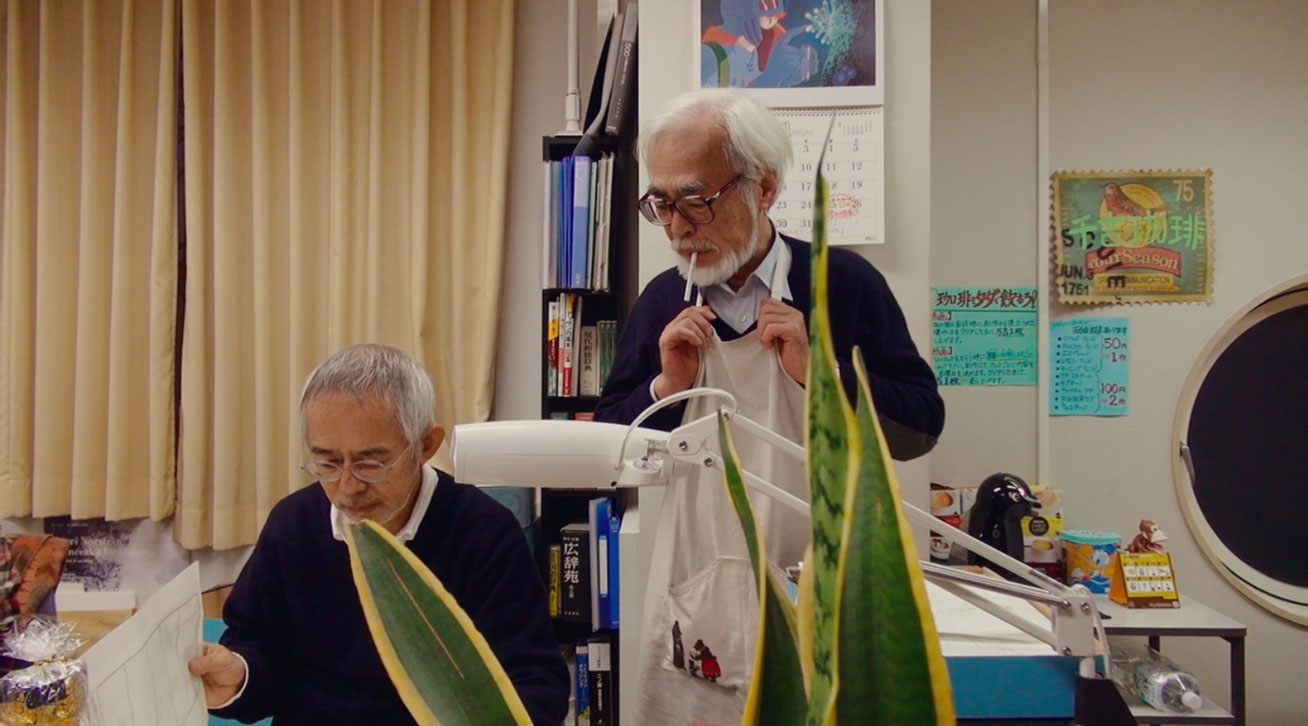
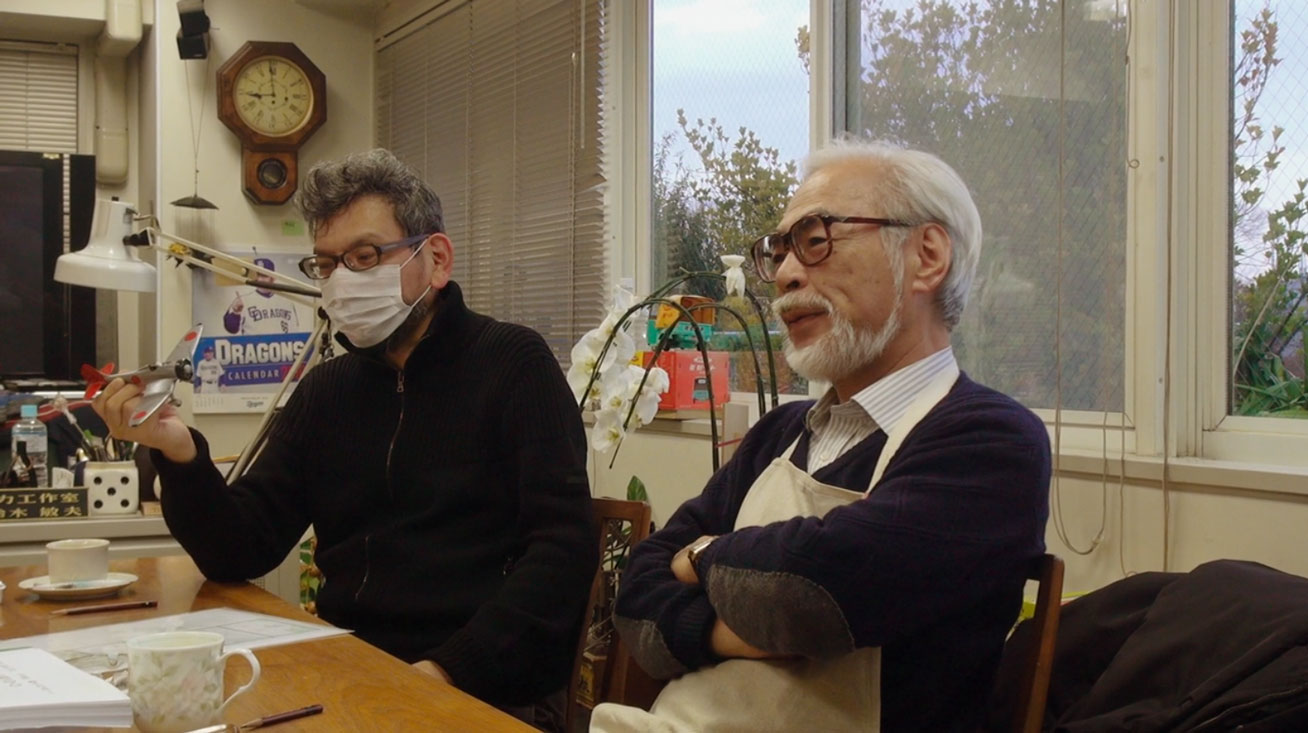
    Somewhere in an old issue of Monkey Business, a journal of Japanese fiction, an editor was introduced as

    Motoyuki Shibata, one of Japan’s most highly regarded men of letters.

    Something about the description stuck with me ever since. I imagine that, at a dinner party, if Mr. Shibata was asked what he did, he would still probably describe himself as an editor and translator.

    Being described as a highly regarded man of letters, works only to the extent that people already have a rough idea of what you do. But for those already in the know, the self-wrought description goes beyond standard a job title to convey human things like aspirations, personality and preferences — the things that make us interesting.

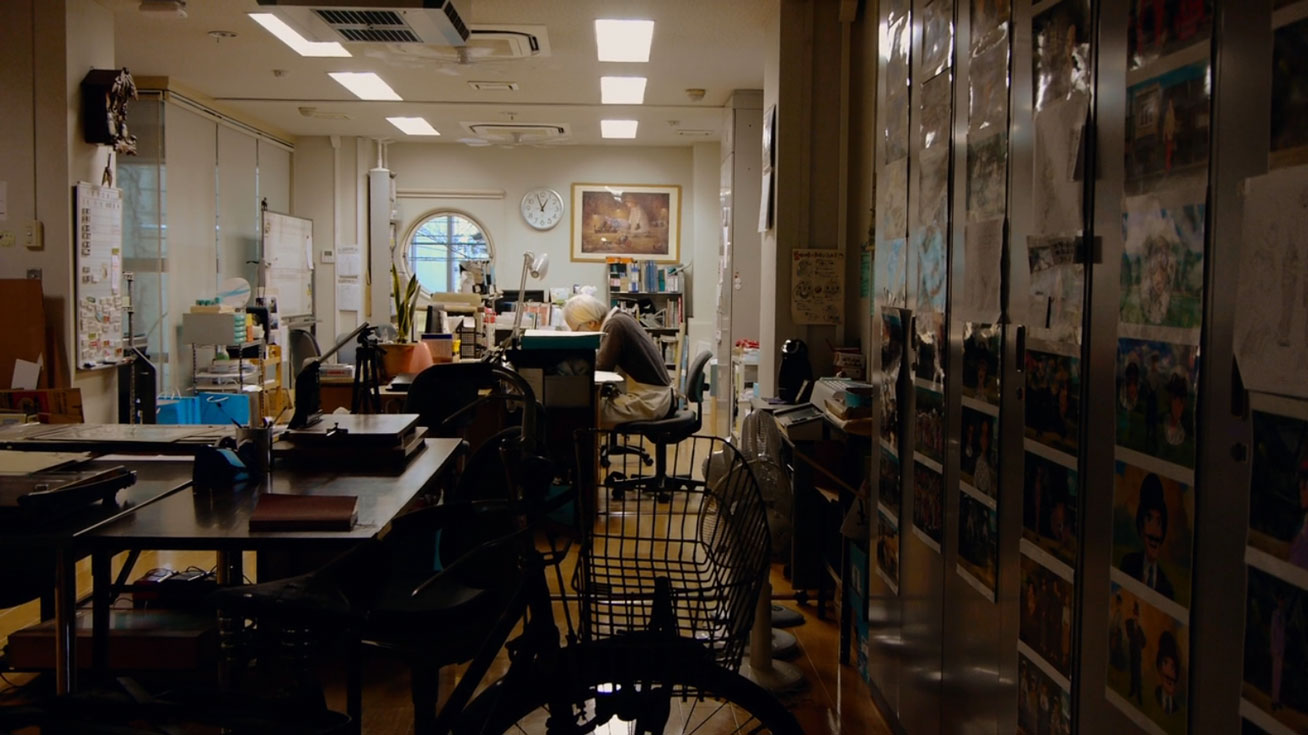
    These days, I enjoy jumping between design and code to solve problems. So what does that officially make me? A product designer, UX designer, information architect, mobile designer, web developer, back-end dev, art director? At some point in time, the work I’ve done could’ve been defined by all these roles, but I couldn’t care less.

    What I really hope is that one day I get introduced as something like

    a world-renown maker of joyful software.

    Comments…

  • Oct ’14 1001 Spikes and the Design of Failure
    design

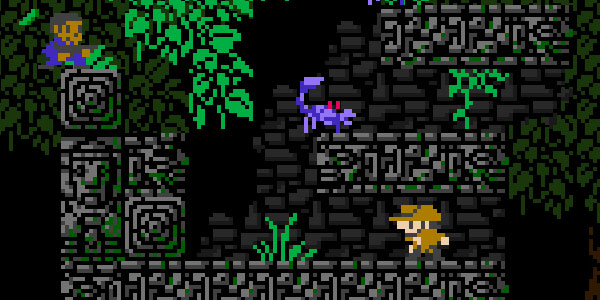
    I’m a huge fan of pain and pixels. So, inevitably, I’m a huge fan of Nicalis and their games.

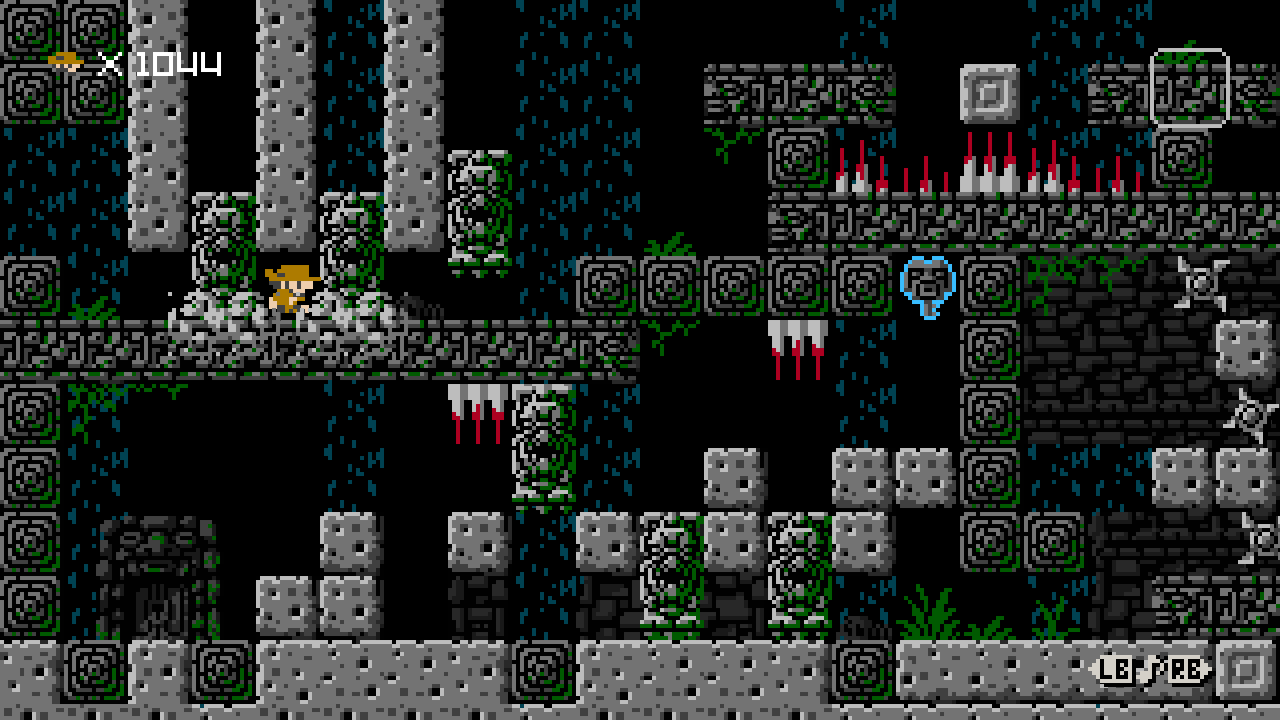
    1001 Spikes is a game of endless danger, where death is both inevitable and constant. Each new life is a chance to learn from your previous mistake of tripping a hidden spike trap – only to get an arrow through the heart.

    You could say 1001 Spikes is a game about failure, but it’s just as much about reveling in each small victory. 1001 Spikes teaches the player through failure - death is expected (sometimes even cute), and rebirth is immediate. As the lessons from each death bring you closer to the goal, you’ll start to move with confidence. You’ll know when to wait and when to run, when to jump and when to fall.

    For that brief moment, it’ll all be worth it.

    For the tenacious, nothing is impossible.
    — Jonathan Holmes

    Then you’ll make it to the next stage and do it all over again.

    So what did we learn?

    Honestly, I’m not totally sure. In a game, failure can be a teaching tool, even a reward, but in product design we fear failure. We don’t want users to fail - or even know they can fail. When a user fails to immediately do something or understand something, we also see it as our failure. This seems to make perfect sense.

    But compared with games like 1001 Spikes, our status quo tools for ‘safely’ teaching users - intro screens and pop-up tutorials - feel clumsy and immature. As designers, embracing the possibility of failure opens up the way we teach.

    Instead of telling users what all the things do upfront, start them with some hello world style content that’s self documenting. Let them mold it to their needs or blow it out and start fresh. They might mess up but instant feedback coupled with endearing failure states will keep them coming back.

    Comments…

  • Sep ’14 Berg and Whimsy
    learning

    Let’s pour one out for Berg. The group behind the little printer recently announced their imminent shut down.

    Berg, awesomely short for the British Experimental Rocket Group, was officially focused on building web APIs and arduino-style tools for the physical things in your home to talk to each other and the internet.

    The little printer uses these APIs to serve personal feeds that manage to imbue what’s basically the thermal printer from a cash register with a charming personality.

    I’ve been trying to solidify what it is about the little printer and the other Berg projects that’s always resonated with me. Here goes: I think whimsy done well is the product of enormous bravery.

    Whimsical things feel human and relatable when they embrace their inherent oddness, humour and imperfection. Building whimsical things takes courage to do something different, but also the ability to sell yourself and your values to other people. It’s also sometimes hard to justify in the typically shallow ways we look at business and design – whether it’s making a sale, solving a problem, or improving usability.

    Berg may of died, but it’s whimsical things, whether it’s a smiling printer, a friendly greeting, or an animation tuned just right that help us humanize new ideas and the 1s and 0s that move us all forward.

    Comments…

  • Sep ’14 TextExpander all the Kaomoji

    As trivial as it sounds, one of my favourite secret things in OS X is the quick emoji picker. In any text editor, ⌘⌃space will bring it up.

    What makes it nicer than the iOS version, is that you can simply type to filter. It’s so convenient, you’ll be slinging email like a teen girl in no time! 🌺

    But what about the humble kaomoji? On iOS, the custom keyboard I really want is the upcoming Kaomoji Keyboard, but there’s no equivalent on the mac.

    \(°o°;)

    Thankfully there’s TextExpander.

    Instead of doing something productive, I created TextExpander snippets that allow me to insert kaomoji without having to copy paste them from elsewhere. So typing kmhappy or kmconfuse in any editor brings up a fill-in popup menu with matching kaomoji to choose from.

    Here’s the snippets:

    kmhappy:
    %fillpopup:default=( ´ ▽ ` )ノ:\(^ ^)/ :ヽ(*⌒∇⌒*)ノ:(ノ*゜▽゜*) :ヽ(^。^)丿 :(◑‿◐):ლ(╹◡╹ლ):(ღ˘⌣˘ღ) ♫・*-.。. .。.-*・:(∩▂∩):ʘ‿ʘ%
    
    kmaction:
    %fillpopup:default=(╯°□°)╯︵ ┻━┻ :┬──┬◡ノ(° -°ノ) :(*・_・)ノ⌒*:八(^□^*):O( `_´)乂(`_´ )O:ヽ(^o^)ρ┳┻┳°σ(^o^)/ :(/_^)/    ● \(^_\) :=( ^o^)ノ ...…___o:(☞゚∀゚)☞%
    
    kmsorry:
    %fillpopup:m(._.)m:(ノ´д`):default=(シ_ _)シ :<(。_。)> :m(¬0¬)m%
    
    kmhello:
    %fillpopup:ヾ(^∇^):default=(^o^)/:☆ミ(o*・ω・)ノ:ヾ(@⌒ー⌒@)ノ:\(°o°;):ヽ(๏∀๏ )ノ%
    
    kmsurprise:
    %fillpopup:∑(O_O;):((((;゜Д゜))):default=(」゜ロ゜)」:(ノ゚0゚)ノ~:w(°o°)w:L(・o・)」%
    
    kmwork:
    %fillpopup:default=___ψ(‥ ):φ(◎◎ヘ):_φ( °-°)/:_φ(°-°=) :_〆(。。) %
    
    kmconfuse:
    %fillpopup:ヽ(゜Q。)ノ?:(◎_◎;):default=( ・◇・)?:٩(͡๏̯͡๏)۶:(⊙_◎)%
    
    kmlike:
    %fillpopup:(〃・・〃):(o⌒.⌒o) :(。♥‿♥。):(´ ▽`).。o♡%

    It’s obviously not ideal, but it’ll do the job when you’re in the zone and just gotta have the perfect kaomoji. Because that’s a thing that happens.

    _φ( °-°)/

    Comments…


Subscribe to New Posts by Email

 
Subscribing…
Subscribed
Error

I make Kinopio, the thinking canvas for whiteboarding, research, moodboards, and note-taking that works how our brains work.
No sign up required.

Connect your Thinking →